Tuesday, December 12, 2017

Dec. 12th 2017
Agenda
  • Activity 3.1.2: X-ray vision
  • Staining cells next week
Resource links:

Thursday, November 30, 2017

Agenda:

  • Meets/Exceeds Test Prep Unit 2
  • TEST DATE NEXT Friday DECEMBER 8th 

Meets Links:

Question 1: 
Molecular Techniques for PTC 
http://bioinformatics.dnalc.org/ptc/animation/ptc.swf
AND
PLEASE LOOK AT YOUR SRS SHEET FOR THE PTC LAB!!!!!


Question 2: 
Molecular logic of screening your PTC genes
http://bioinformatics.dnalc.org/ptc/animation/ptc.swf
(please click on results and discussions)


Question 3: 
Genetic Disorders
CHROMOSOMAL can be the following:
Turner, Down, Klinefelter, or Williams syndromes click here: 
http://learn.genetics.utah.edu/content/disorders/chromosomal/


SINGLE GENE can be the following:
Cystic Fibrosis, Maple Syrup Urine Disease, Huntington's Disease: 


Question 4: Gene delivery tools- the following can be on the test: 
Retroviruses, Adenovirus, Adeno-associated virus, 

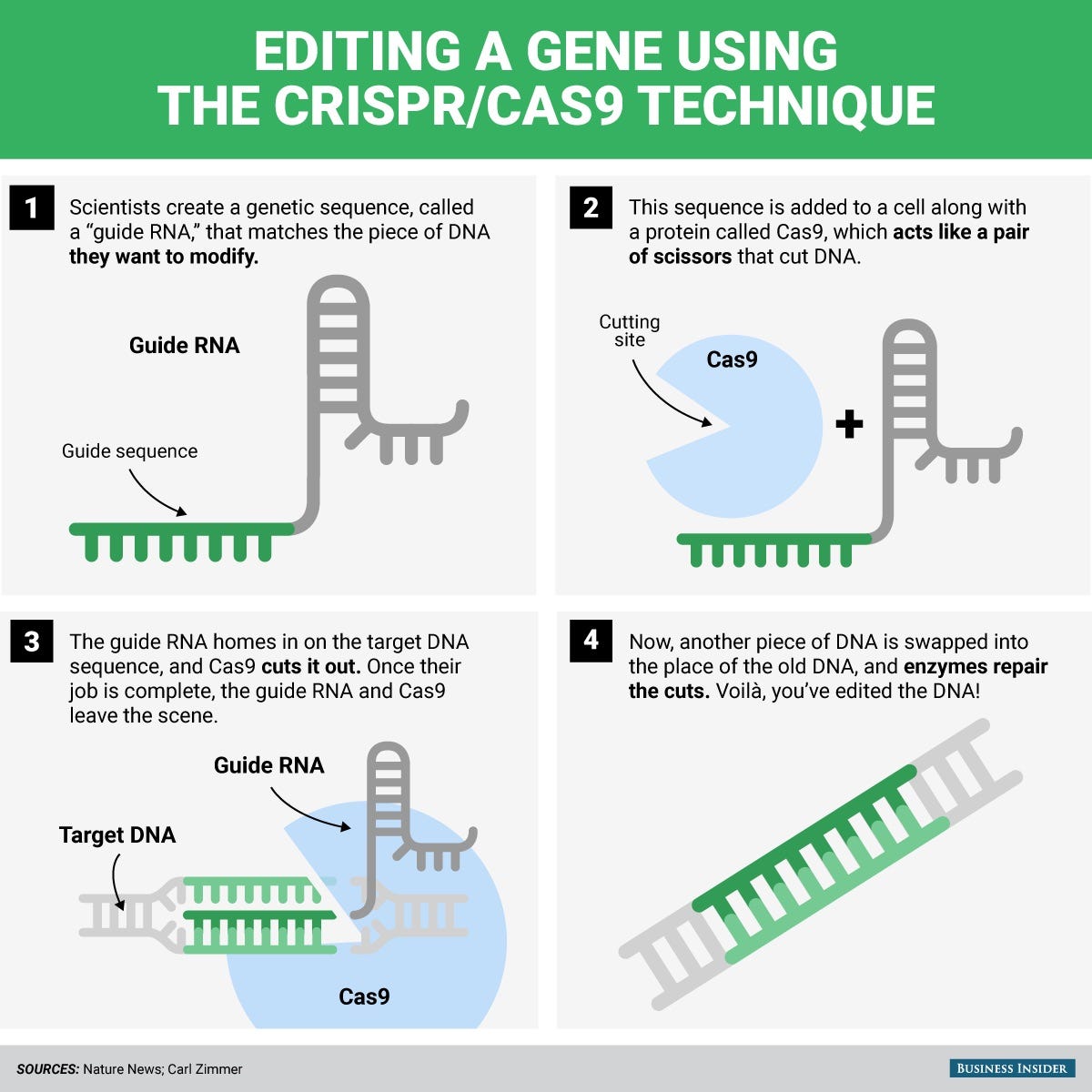
2. CRISPR Technology
Great overview: yourgenome.org 
Straight forward explanation: infographic (you get some points)
Comprehensive review: click on this infographic (you get more points for this type of explanation)

3. Molecular logic of of bitter taste perception.

4. Amniocentesis and CVS:
Amniocentisis animation: 

Amnio vs. CVS:

Tuesday, November 21, 2017

Nov. 21st, 2017
Agenda:
Activity 2.1.5 Maternal and Child Health
Part I: Prenatal Screening: Amniocentesis and Chorionic Villus Sampling (CVS)


 Part II: Prenatal Monitoring: Ultrasound
 View the video clip on ultrasound listed below:
Mayo Clinic: Fetal Ultrasound http://www.mayoclinic.com/health/ultrasound/MM00084 (Links to an external site.)


12. Research what can be learned about a fetus by looking at an ultrasound image by reading the information presented on Obstetric Ultrasound Scans at:  http://www.ob-ultrasound.net/
 (Links to an external site.)14. Read the National Geographic article 4-D Ultrasound Gives Video View of Fetuses in the Womb: http://news.nationalgeographic.com/news/2005/02/0225_050225_tv_ultrasound.html
 (Links to an external site.)15. Explore the 4D Ultrasound Scan Video Clips presented by Dr. Najeeb Layyous found at http://www.layyous.com/ultasound/ultrasound_video.htm

Wednesday, November 15, 2017

Nov. 28 2016

Agenda:

Part 2: Resource Links for learning about CRISPR:
  • Nature magazine's infographic is straightforward and great
  • Know your Neurons infographic goes deeper and more comprehensive
  • The video on Vimeo is also very helpful for modifying and mutating genes using CRISPR
Part 3: 
  • View the ArgosBiotech’s website, Cloning: A Timeline
  • View University of Utah's website on what is cloning?

Learning Target(s)
I can ...
  • analyze various perspectives on reproductive technologies and genetic engineering tools like CRISPR.
  • demonstrate and model how the CRISPR system works to genetically alter DNA.  

Wednesday, November 1, 2017


  • Finish Activity 2.2.1: Gene Therapy
  • Socratic Seminar on Wednesday 
 (Links to an external site.) and read the three sections listed below.
    • What is Gene Therapy?
    • Choosing Targets for Gene Therapy
    • Gene Delivery: The Key to Gene Therapy
3. Use your Student Response Sheet to complete the GSLC Space Doctor interactive found at   http://learn.genetics.utah.edu/content/genetherapy/doctor/ 

Part II: Debating Gene Therapy:  

Before reading the articules please click here: https://www.yourgenome.org/debates and pick the following:
  • Review the website: Germline therapy:
  • Consider the question in each site as you tally up your Yes's and No's and write them in your SRS or lab packet.
Against the use of gene therapy.
In favor of gene therapy: 

Wednesday, October 25, 2017

October 25th, 2017
Agenda:
Part I: How PCR Works: Please create a flowchart on how PCR functions. Use highlighters, markers, and/or modeling supply. 


Monday, October 16, 2017

Thursday, October 5, 2017

Week of October 5th, 2017
Agenda:

  • Unit 1 Meets/Exceeds Prep
Unit 1 Meets Resources:
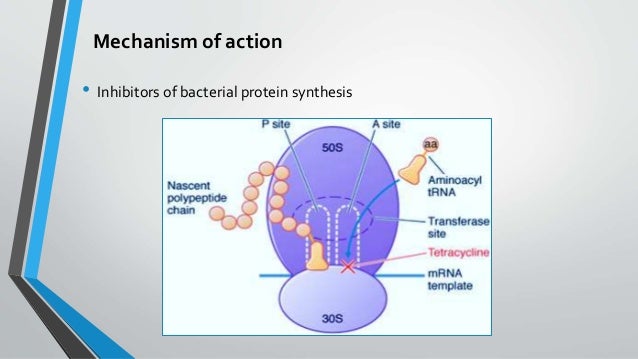
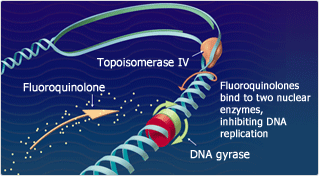
1. Antibiotics

Penicillin Links: 


Tetracyclines:
Flouroquinolones:
2. Anatomy of a Bacteria: 

3. Reading Audiograms